From a $50 Mixer to a Sydney Bakehouse: The Chip Origin Story
Three cultures. One cookie. The story of why Chip Bakehouse exists and what we are actually trying to do.
Every food business starts with a version of the same story: someone loved food, they started making it for other people, and eventually they made it into a business. The Chip story has those elements in it. But the part that actually motivated us — the part that still gets us out of bed at 4am to start the first bake — is not really about cookies. It is about who gets to be represented on the dessert menu.
Where did Chip Bakehouse actually start?
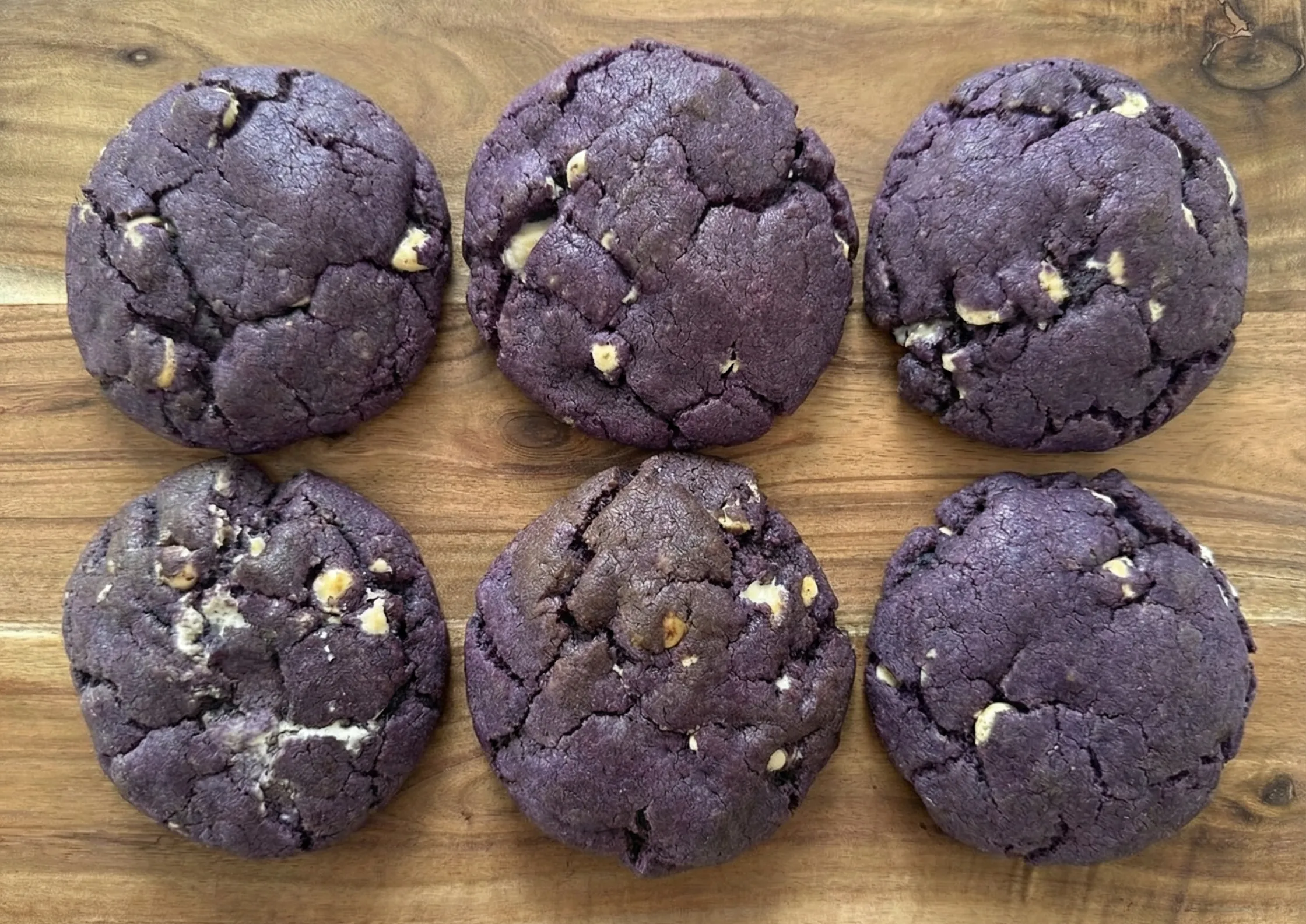
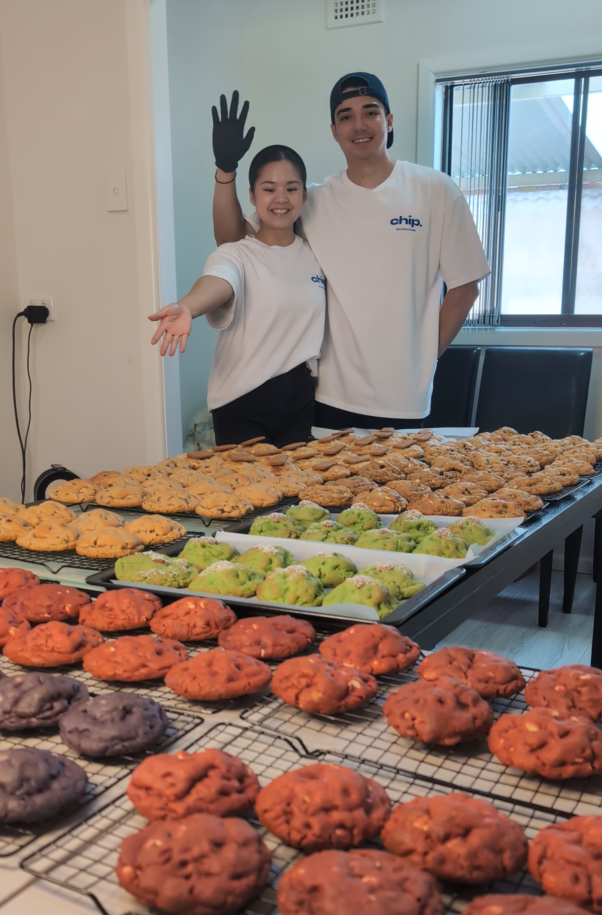
It started in a residential kitchen in Western Sydney with a $50 hand mixer from Kmart, a batch of ube halaya that came from a family recipe, and a question that had been nagging at us for years: why does the Australian dessert landscape look so narrow relative to the actual diversity of the people who live here?
The question is not rhetorical. We grew up eating ube halaya at Filipino family gatherings. We drank cà phê sữa đá on Sunday mornings. Pandan was in the kitchen, in the desserts at every celebration. These were not exotic flavours to us — they were home. And they were nowhere to be found on the menus of the bakeries, cookie shops, and dessert bars that populated the food media we consumed.
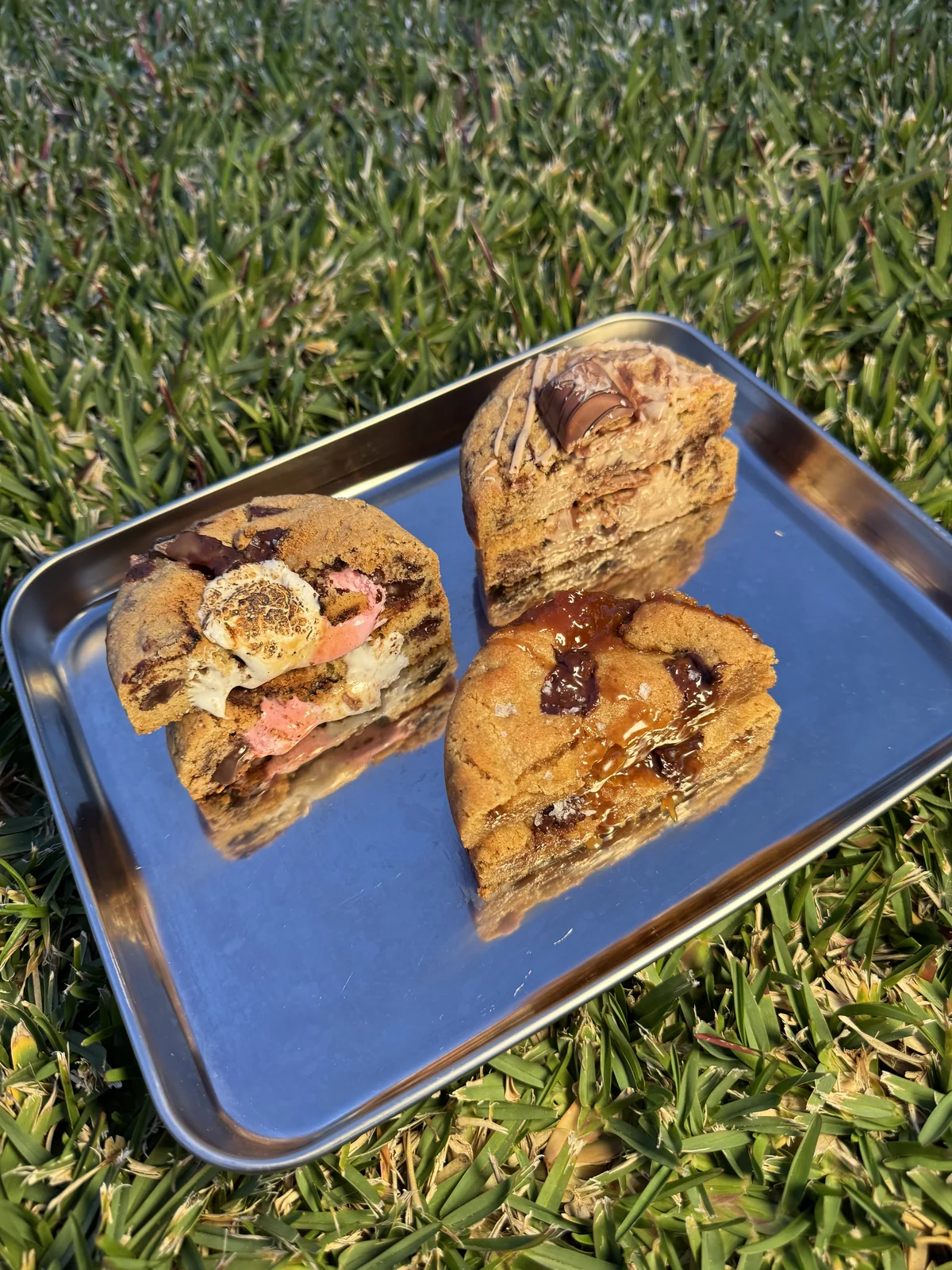
The idea for Chip was simple: make the cookies we wanted to eat. Stuffed thick. Built around flavours with cultural depth. Made with the same technical care you would expect from any serious pastry operation. Delivered so people can have them at home.
Three cultures in one cookie
We talk about Chip as a Vietnamese, Filipino, and Australian brand — and we mean that quite specifically. The Vietnamese thread runs through the coffee flavours, the attention to technique, the commitment to getting flavour exactly right rather than approximately right. The Filipino thread runs through the ube, the pandan, the cream cheese fillings that echo the halaya-and-cheesecake combinations that have existed in Filipino dessert culture for generations. The Australian thread is the context: this is where we grew up, where we bake, and the culture we are part of.
Australia is one of the most multicultural countries on earth, and that multiculturalism is most visible in its food — in the range of cuisines available in any major city, in the way ingredients from across the world find their way into everyday cooking. What has been slower to change is the premium segment of the market: the bakeries, the cookie shops, the patisseries. These have historically drawn almost exclusively from European traditions. We think that is changing, and we want to be part of the change.
The episode model: why we release cookies in drops
We structure our menu as "episodes" rather than a static menu, and this is a deliberate choice with a few motivations. First, it lets us do seasonal and collaborative flavours without the permanent menu commitment that would require every flavour to perform consistently year-round. Second, it creates a natural rhythm of novelty — our regulars know to check what is in the current episode, and new flavours give them a reason to engage repeatedly. Third, it keeps us interested. A fixed menu is a fixed limit on creativity; the episode model means we are always developing something new.
You can see the full history of our episodes — and what is currently in the drop — on our episodes page.
What "premium" actually means to us
Premium is a word that gets overused in the food industry to mean "expensive" or "upscale presentation." We use it to mean something more specific: uncompromised ingredients, executed with genuine technical care, priced at a level that reflects the actual cost of making them properly. It is not about making cookies that look impressive in a photograph — it is about making cookies that taste exactly like they should, consistently, every time.
The $50 mixer is long gone — we have proper equipment now. But the decision-making framework has not changed: what would make this better? More real ube in the filling? A different ratio of cream cheese? A longer chill time before baking? We are still asking those questions on every batch.

If you want the longer version of the story — the full narrative of how Chip went from a residential kitchen to a bakehouse — visit our story page. And if you want to taste what all of this led to, build a box and see for yourself.
Frequently asked questions
Who founded Chip Bakehouse?
Chip Bakehouse was founded by a Vietnamese-Filipino-Australian team based in Sydney. The brand reflects all three cultural backgrounds — Vietnamese in the coffee flavours and technical approach, Filipino in the ube and pandan fillings, Australian in the context and the community it serves.
Where is Chip Bakehouse based?
We are based in Sydney and we ship nationwide across Australia. We do not have a retail storefront — all orders are placed online and delivered via overnight courier, baked fresh on the day of your order.
Why does Chip Bakehouse use episode-based releases?
The episode model lets us release seasonal and collaborative flavours, stay creative, and give our customers a reason to re-engage regularly as new drops arrive. It mirrors the model used by limited-edition streetwear or album releases — flavours are available for a limited window, then rotate out. Some flavours return in future episodes; some are one-off.
Why do Chip Bakehouse cookies have South-East Asian flavours?
Because they are genuinely delicious, and because they reflect the cultural background of the founders. Ube, pandan, and Vietnamese coffee are flavours the Chip team grew up eating — they are not novelties or marketing trends but ingredients with deep cultural roots that have been underrepresented in Australian premium bakery culture.
What does "Three cultures. One cookie." mean?
"Three cultures. One cookie." is Chip Bakehouse's core brand statement. The three cultures are Vietnamese, Filipino, and Australian — the backgrounds of the founding team. Every cookie we make is an expression of that intersection: flavour traditions from Vietnam and the Philippines, executed with Australian quality standards, and delivered to customers across Australia.
Ready to taste it?
Chip Bakehouse — delivered fresh across Australia.